
Engaging Zoology Lessons for Kids Who Love Animals
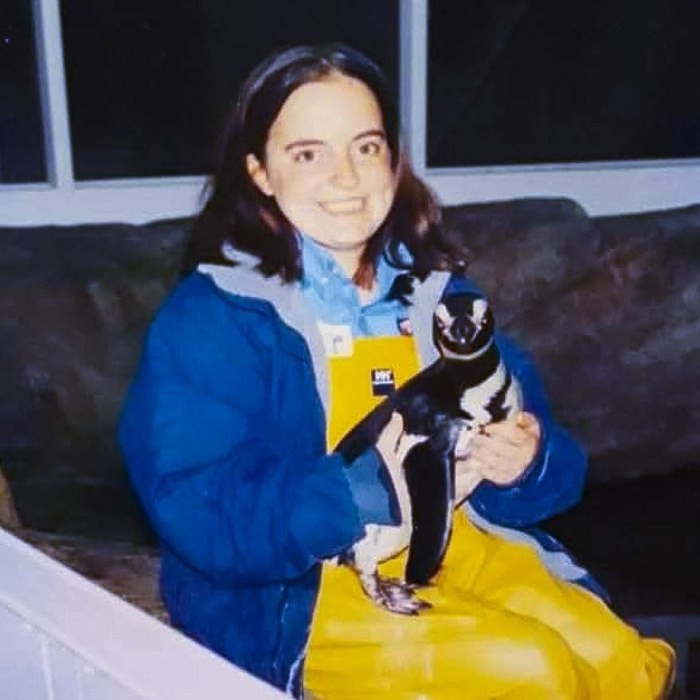
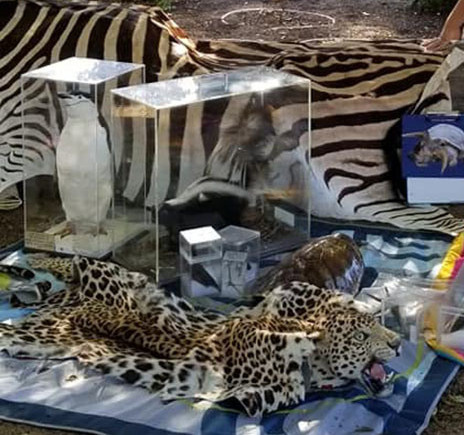
Hi, I’m Suzie! I started Zoology Classes to share my love of animals with homeschool families in Central San Diego. My goal is to offer hands-on, standards-based science programs where kids can study real animal biofacts and learn through engaging themed lessons, activities and games.
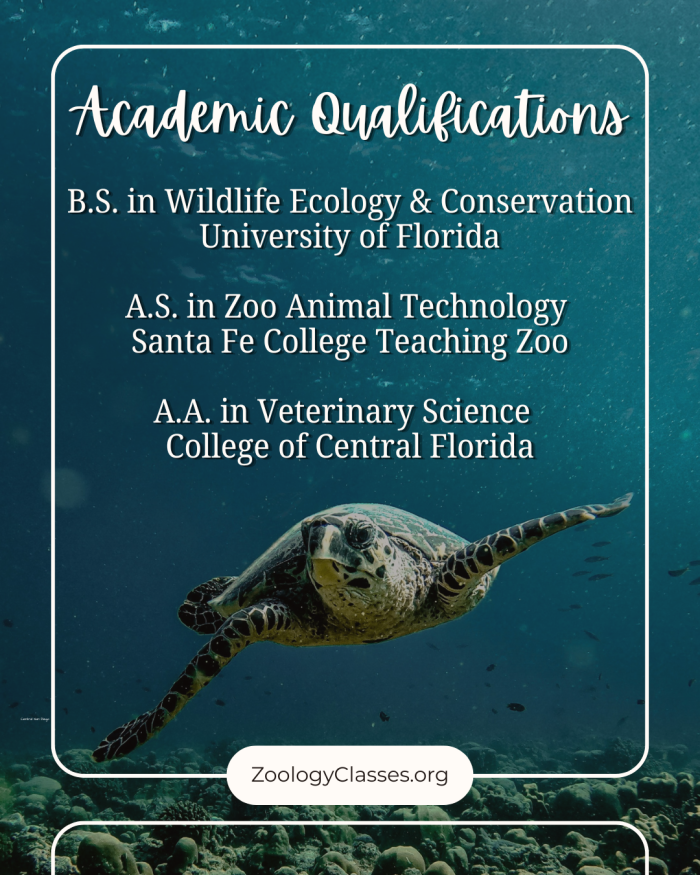
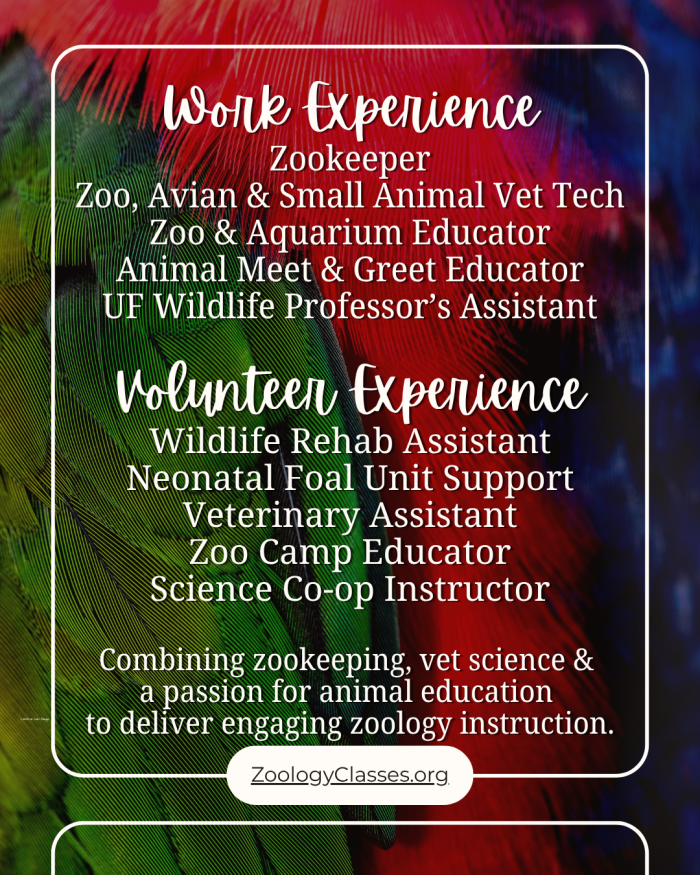
I have degrees and experience in wildlife care, veterinary science and zoo education. My background includes leading zoo camps, community and school-based zoo outreach programs, zoology co-ops and behind-the-scenes animal meet-and-greets.
As a homeschool mom of ten years, I love being part of our local homeschool community. You might even recognize me from moderating the Pacific Coast Academy Parents Only Facebook group! I cannot wait to meet your students and explore the animal world together!
EDUCATIONAL STEM CLASSES
TK–2nd Grade: Animal Discoveries
Weekly hands-on science sessions where young kids explore how animals live, grow and thrive.
Week 1: Animal Bodies & Movement (Mammals & Amphibians) Kids will look at how cheetahs sprint, frogs leap and squirrels climb to see how different body shapes help animals travel across the wild. K-LS1-1, 1-LS1-1, 2-LS4-1
Week 2: Animal Senses (Mammals & Birds) From the sharp eyesight of eagles to the sensitive noses of wolves, we’ll explore how animals use sight, sound and touch to explore their worlds. 1-LS1-1, 1-LS1-2, 2-LS4-1
Week 3: Colors & Camouflage (Reptiles & Insects) A fun look at camouflage! We will discover how chameleons, walking sticks and coral snakes use special patterns to hide in plain sight or send warnings to rivals. K-ESS3-1, 1-LS1-1, 2-LS4-1
Week 4: Animal Homes & Habitats (Mammals & Birds) Animals are amazing architects. This week is all about how beavers build dams, weavers weave nests and prairie dogs dig burrows to find shelter and build safe spaces to raise their families. K-ESS3-1, 2-LS2-2, 2-LS4-1
Week 5: Weather & Wildlife (Mammals & Reptiles) How do arctic foxes handle a freezing blizzard or desert tortoises survive a heatwave? Kids learn the clever ways wildlife adapts to changing seasons. K-PS3-1, K-PS3-2, 1-LS1-1
Week 6: Life Cycles & Growing Up (Amphibians & Insects) From tadpoles turning into frogs and caterpillars transforming into butterflies, we will track the fascinating life cycles and changes animals go through. 1-LS3-1, 2-LS2-1, 2-LS4-1
3rd–5th Grade: Zoology & Ecosystems
Weekly investigations into animal behavior, survival strategies and the interconnected world of nature.
Week 1: Predator vs. Prey (Large Carnivores & Ungulates) We’ll look into the physical traits and strategies lions and wolves use to track food, and how bison and gazelles stay one step ahead. 3-LS4-3, 4-LS1-1, 5-LS2-1
Week 2: Sensory Adaptations (Bats & Nocturnal Hunters) Kids will explore specialized animal powers, from bat echolocation to how barn owls track subtle vibrations through the ground in total darkness. 4-LS1-1, 4-LS1-2, 5-PS4-1
Week 3: Physical Traits & Visuals (Birds of Prey & Rodents) A look at how unique hawk talons, beaver incisors and bear claws serve specific survival needs in the wild. 3-LS4-2, 3-LS4-3, 4-LS1-1
Week 4: Ecosystem Roles & Engineers (Beavers & Elephants) Some animals change their entire environment. We will learn how wolves, beavers and African elephants build habitats that support all the wildlife around them. 3-LS4-4, 5-LS2-1, 5-ESS3-1
Week 5: Microclimates & Environment (Reptiles & Small Mammals) Tiny shifts in shade, moisture and temperature create mini-worlds. We'll investigate how pikas, salamanders and desert lizards rely on these small spaces to protect fragile species. 3-LS4-3, 4-LS1-1, 5-LS2-1
Week 6: Migration & Connections (Birds & Insects) Why do monarch butterflies and Arctic terns travel thousands of miles? This week covers the incredible journeys wildlife takes and why connected ecosystems matter to us all. 3-LS1-1, 3-LS4-3, 5-LS2-1
TK–2nd Grade: Marine Biology Discoveries
Weekly science sessions where young kids explore how sea creatures live, swim, and thrive in the ocean.
Week 1: Ocean Bodies & Swimming (Cartilaginous Fish & Marine Mammals)
We’ll compare sharks, rays, and dolphins to see how different body shapes, fins, and flippers help ocean animals glide through water. (Standards: CA-PTKLF Science; NGSS: K-LS1-1, 1-LS1-1, 2-LS4-1)
Week 2: How Marine Animals Sense the Sea (Marine Mammals & Invertebrates)
From giant baleen whales to bumpy starfish, kids discover how marine mammals and spineless sea life use touch, sight, sound, and smell underwater. (Standards: CA-PTKLF Science; NGSS: 1-LS1-1, 1-LS1-2, 2-LS4-1)
Week 3: Hiding & Warning Signs on the Reef (Bony Fish & Corals)
A fun look at ocean camouflage and warning patterns! We’ll explore how lionfish, rays, and reef fish use unique colors and spines to blend in or scare off rivals. (Standards: CA-PTKLF Science; NGSS: K-ESS3-1, 1-LS1-1, 2-LS4-1)
Week 4: Tidepools & Coral Reef Homes (Marine Invertebrates)
We’ll explore spineless sea creatures like hermit crabs, clams, and sea anemones to see how they build homes, find shelter, and stay safe in rocky tidepools and coral reefs. (Standards: CA-PTKLF Science; NGSS: K-ESS3-1, 2-LS2-2, 2-LS4-1)
Week 5: Staying Warm in Cold Ocean Waves (Marine Mammals & Shellfish)
How do sea otters and tidepool animals handle freezing water and rough waves? Kids test out insulation and shell designs to see how marine life stays warm and anchors tight. (Standards: CA-PTKLF Science; NGSS: K-PS3-1, K-PS3-2, 1-LS1-1)
Week 6: Ocean Eggs & Growing Up (Marine Reptiles & Egg-Laying Sharks)
From shark egg cases and sea turtle nests to giant ocean wanderers, kids trace the life cycles and egg adaptations of sea creatures. (Standards: CA-PTKLF Science; NGSS: 1-LS3-1, 2-LS2-1, 2-LS4-1)
3rd–5th Grade: Ocean Ecosystems & Adaptations
Weekly investigations into marine life, ocean habitats and foundational marine science principles.
Week 1: Marine Anatomy & Hydrodynamics (Cartilaginous Fish vs. Marine Mammals)
Students compare skeletal structures, body shapes and swimming styles between cartilage-based hunters like sharks and rays and air-breathing mammals like dolphins. (NGSS: 3-LS4-3, 4-LS1-1, 5-LS2-1)
Week 2: Underwater Perception & Sensory Systems (Whales & Marine Invertebrates)
Kids explore how ocean life navigates without sunlight, focusing on whale echolocation, acoustic jawbones and starfish sensory systems. (NGSS: 4-LS1-1, 4-LS1-2, 4-PS4-2)
Week 3: Coloration, Defense & Feeding Tools (Bony Fish & Rays)
A close look at ocean survival tools, from venomous lionfish spines and camouflage to crushing tooth plates built for tough shells. (NGSS: 3-LS4-2, 3-LS4-3, 4-LS1-1)
Week 4: Marine Habitats & Foundation Species (Invertebrates & Algae)
Students discover how tiny coral polyps, kelp holdfasts and shell-building clams build structures that host whole reef and coastal communities. (NGSS: 3-LS4-4, 5-LS2-1, 5-ESS3-1)
Week 5: Intertidal Ecology & Thermal Adaptations (Semi-Aquatic Mammals & Mollusks)
Kids investigate how sea otters, limpets and barnacles handle extreme tide changes, crashing waves and cold water. (NGSS: 3-LS4-3, 4-LS1-1, 5-LS2-1)
Week 6: Pelagic Life Cycles & Marine Connections (Marine Reptiles & Hitchhikers)
A look at ocean journeys, from drifting larvae and hitchhiking barnacles on gray whales to sea turtle migrations along global currents. (NGSS: 3-LS1-1, 3-LS4-3, 5-LS2-1)
Animal Careers (3rd–5th Grade)
Ever wondered what it takes to work with animals? Each week we step into a different career through hands-on challenges, case studies and real wildlife biofacts.
Week 1: Zookeeper
Build animal habitats, figure out proper diets and design daily enrichment toys to keep zoo animals active and happy.
(NGSS: 3-LS4-3 – Observe how physical traits and habitats help animals survive)
Week 2: Veterinarian
Look at real X-rays, practice health check techniques and use actual clinical tools to solve animal medical mysteries.
(NGSS: 4-LS1-1 – Explore internal and external body structures that support animal health and survival)
Week 3: Wildlife Biologist
Track animals in the field, study real tracks and pelts and build tools to monitor local wildlife populations.
(NGSS: 3-LS2-1 – Investigate animal group behaviors and social structures in nature)
Week 4: Marine Biologist
Explore ocean food webs, check out cool sea life adaptations and test water samples to see how ocean ecosystems stay healthy.
(NGSS: 5-LS2-1 – Map out how energy and matter move through aquatic ecosystems)
Week 5: Animal Trainer
Learn positive reinforcement, read animal body language and test out target training methods using behavioral science.
(NGSS: 4-LS1-2 – Discover how animals process sensory information and choose behavioral responses)
Week 6: Wildlife Rehabilitator
Work through patient rescue cases, figure out care plans and design release strategies to help native animals return to the wild.
(NGSS: 3-LS4-4 – Analyze how environmental changes affect species and evaluate solutions to protect wildlife)
TK–2nd Grade: Animal Math
Weekly hands-on math sessions where early elementary students utilize wildlife themes, animal biofacts and outdoor field observations to build foundational mathematics skills.
Week 1: Counting & Attribute Classification in the Wild
Focus: Students count animal groupings and classify track casts by shape, size and number of digits to practice sequence counting, set comparisons and attribute sorting.
(CCSS Math: K.CC.A.1, 1.MD.C.4, 2.MD.D.10)
Week 2: Geometric Patterns & Symmetry in Nature
Focus: From zebra coat patterns to symmetrical butterfly wings, students identify, extend and construct repeating color and geometric patterns observed in wildlife.
(CCSS Math: K.G.A.2, 1.OA.C.5, 2.G.A.1)
Week 3: Measurement Methods in Zoology
Focus: Students utilize non-standard and standard measurement tools to evaluate animal footprint replicas, tail lengths and wingspans, comparing dimensions using greater than, less than and equal to concepts.
(CCSS Math: K.MD.A.2, 1.MD.A.2, 2.MD.A.1)
Week 4: Applied Animal Addition & Subtraction
Focus: Utilizing tactile counting manipulatives such as acorns, feathers and model eggs, students solve addition and subtraction word problems modeling wildlife entering or leaving habitats.
(CCSS Math: K.OA.A.2, 1.OA.A.1, 2.OA.A.1)
Week 5: Spatial Geometry & Natural Structures
Focus: Students examine two-dimensional and three-dimensional geometric shapes constructed by wildlife, including hexagonal honeycomb cells and circular nests, and construct geometric shelter models.
(CCSS Math: K.G.B.4, 1.G.A.1, 2.G.A.1)
Week 6: Environmental Data Collection & Graphing
Focus: Students conduct a park biodiversity inventory, record observational data utilizing tally marks and construct picture graphs to analyze field findings.
(CCSS Math: K.MD.B.3, 1.MD.C.4, 2.MD.D.10)
Wildlife Detectives: Nature Escape Room (1st–5th Grade)
(Spoiler Alert Ahead!)
A massive cache of acorns was found stashed in a Golden Hill yard! Over 6 weeks, students work in forensic detective teams to solve weekly animal riddles, analyze museum biofacts and crack lockbox ciphers to unmask six local wildlife suspects.
Week 1: The Feather Cipher (California Scrub-Jay)
Solve flight ciphers and beak morphology riddles to unlock Suspect #1. (NGSS: 3-LS4-2, 4-LS1-1)
Week 2: The Incisor Code (Western Gray Squirrel)
Crack dentition measurements and bite-gap puzzles using skull replicas to unlock Suspect #2. (NGSS: 3-LS4-2, 4-LS1-1)
Week 3: The Granary Lock (Acorn Woodpecker)
Decipher wood drill patterns and anatomical adaptation riddles to unlock Suspect #3. (NGSS: 3-LS4-3, 4-LS1-1)
Week 4: The Track Trap (Desert Cottontail)
Measure stride lengths, gait patterns and paw-pad ciphers to unlock Suspect #4. (NGSS: 3-LS4-3, 4-LS1-1)
Week 5: The Tunnel Puzzle (Botta's Pocket Gopher)
Solve burrow depth challenges and cheek pouch volume math to unlock Suspect #5. (NGSS: 3-LS4-3, 4-LS1-2)
Week 6: The Final Vault (Northern Raccoon)
Combine all previous clues, test paw dexterity and open the master vault to unmask the culprit! (NGSS: 4-LS1-2, 5-LS2-1)
Seasonal Animal Ecology (5th-8th)
How do local animals survive the shift from fall to freeze? 5th–8th graders will explore autumn survival through interactive labs, tracking seasonal animal movements, testing insulation strategies and uncovering how changing daylength triggers major behavioral shifts across local ecosystems. (November-December.)
Week 1: Environmental Signals & Day Length Mule deer, black bears, monarch butterflies and migratory songbirds respond as shortening daylight triggers critical behavioral and physiological changes before cold weather hits. 4-LS1-2, MS-LS1-5, EP&C Principle III.
Week 2: Migration Dynamics Snow geese, Swainson's hawks and salmon navigate movement routes while balancing energy expenditure along the Pacific Flyway. 5-LS2-1, MS-LS2-2, EP&C Principle II.
Week 3: Hibernation, Torpor & Brumation Ground squirrels, bats, yellow-legged frogs and rattlesnakes utilize metabolic slowdowns, insulated burrows and winter dormancy to survive severe resource scarcity. 4-LS1-1, MS-LS1-8, EP&C Principle I.
Week 4: Physical Adaptations & Morphology Snowshoe hares, coyotes, bobcats and mountain quail alter fur density, foot surface area and foraging behaviors for seasonal diets. 4-LS1-1, MS-LS4-4, EP&C Principle I.
Week 5: Ecosystem Shifts & Food Webs Red-tailed hawks, barn owls, gray foxes and pine martens adapt their hunting strategies when primary prey species migrate, hibernate or go dormant. 5-LS2-1, MS-LS2-3, MS-LS2-4, EP&C Principle III.
Week 6: Environmental Disruptions & Case Studies Mountain lions, pikas, desert tortoises and trout face shifting seasonal patterns, unseasonal weather events and changing habitat conditions. 3-5-ETS1-2, MS-ESS3-4, MS-LS2-5, EP&C Principle V.
California Ecosystems & Extremes (5th-8th)
How do California's native animals adapt to our state's wild extremes, from coastal ocean swells to mountain freezes and desert heat? 5th–8th graders will explore diverse ecosystems through interactive labs, tracking wildlife corridors, analyzing skull morphology and testing how native species survive in local wild spaces.
Week 1: Coastal Ecosystems & Marine Dynamics
Sea otters, sea lions, blue whales and intertidal invertebrates rely on kelp forest food webs, ocean upwelling and coastal waters to thrive. (NGSS: 5-LS2-1, MS-LS2-1, MS-LS2-3 | CA EP&C Principle II)
Week 2: Oak Woodlands & Fire Ecology
Scrub-jays, acorn woodpeckers, mule deer and coyotes drive seed dispersal and oak generation while surviving Mediterranean fire cycles and seasonal drought. (NGSS: 5-LS2-1, MS-LS2-1, MS-LS2-4 | CA EP&C Principle III)
Week 3: Sierra Nevada & Alpine Adaptations
Red foxes, pikas, black bears and yellow-legged frogs depend on snowpack hydrology, insulated dens and winter coats to endure high-altitude freezes. (NGSS: 5-ESS2-1, MS-LS2-2, MS-ESS3-3 | CA EP&C Principle I)
Week 4: Desert Ecosystems & Extremophiles
Desert tortoises, bighorn sheep, fringe-toed lizards and roadrunners utilize microclimate burrows and water conservation mechanisms to survive extreme arid heat. (NGSS: 5-LS1-1, MS-LS1-5, MS-LS2-1 | CA EP&C Principle V)
Week 5: Redwood Forests & Watershed Links
Coho salmon, steelhead, marbled murrelets and banana slugs link old-growth canopy fog drip directly to river systems and coastal marine nutrient networks. (NGSS: 5-ESS2-1, MS-LS2-4, MS-LS2-5 | CA EP&C Principle IV)
Week 6: Urban Wildlife & Regional Conservation
Mountain lions, red-tailed hawks, red-legged frogs and raccoons adapt behavioral strategies to navigate fragmented habitats, city boundaries and highway corridors. (NGSS: 5-ESS3-1, MS-LS2-5, MS-ESS3-4 | CA EP&C Principle I)
ystems & Extremesow do California's native animals adapt to our state's wild extremes,
SCIENCE FIELD SERIES
Junior Zooies Science Field Series
4-Hour Fridays | November 13 - January 8
Grades: 1st–5th | Weekly Animal Science
A weekly four-hour field study where students learn life science through zookeeping! Through hands-on lessons, interactive games, and real biofact study, participants practice the skills of zookeepers, animal care professionals, and conservation scientists.
On Fridays, students dive into engaging animal science lessons and educational zoo games. These interactive activities involve real animal biofacts and range from preparing simulated zoo diets to engineering behavioral enrichment. Finally, the class series concludes with students presenting conservation-focused keeper talks or shares.
A supportive outdoor field class held at our designated instructional site in Balboa Park, featuring immersive, hands-on animal learning with direct instructor guidance. (Class size is strictly capped to ensure personalized guidance).
6-Week Curriculum & Standards:
Week 1: Diet Prep & Animal Nutrition
Featuring interactive zoo feeding games and real biofact examination, students examine what it takes to manage species nutrition and dietary requirements. They measure out realistic zoo diet portions, compare herbivore, carnivore, and omnivore nutritional needs, and explore how professional animal care teams design daily feeding schedules. (1-LS1-1, 2-LS2-1, 3-LS1-1, 4-LS1-1, 5-LS1-1)
Week 2: Habitat Design & Management
Students explore how modern zoological institutions design complex, naturalistic habitats. Through guided lessons, habitat-building games, and real biofact study, they learn how these environments support animal welfare and species-appropriate behavior. Using diorama boxes, natural fallen branches, pipe cleaners, and foliage, they construct custom mini model habitats, evaluate environmental complexity, and build functional animal resting structures. (1-LS1-1, 2-LS4-1, 3-LS4-3, 4-LS1-1, 5-LS2-1)
Week 3: Enrichment Design & Animal Behavior
Students act as animal care professionals to discover how care teams promote psychological well-being and natural behaviors. Through active simulation games and real biofact study, they build custom cardboard puzzle feeders, test out scatter-feeding and olfactory scent training across the grass, and evaluate how different species solve problems. (1-LS1-1, 2-LS2-2, 3-LS2-1, 4-LS1-2, 5-LS2-1)
Week 4: Health Checks & Behavioral Observations
Equipped with clipboards, field guides, and real biofacts, students engage in zoo care simulation games and learn research tools, such as health check logs and behavioral ethograms, used by zookeepers to monitor animal health and well-being. They practice observation documentation, track animal actions, and log their findings like professional animal keepers. (1-LS1-2, 2-LS4-1, 3-LS2-1, 4-LS1-2, 5-LS2-1)
Week 5: Hands-On Biofacts & Animal Adaptations
Students analyze real skulls, pelts, feathers, and track casts to uncover how evolutionary adaptations drive survival. Through hands-on zoo detective games, they compare predator and prey traits, examine specialized animal features in action, and complete species profiles. (1-LS1-1, 2-LS4-1, 3-LS4-2, 4-LS1-1, 5-LS1-1)
Week 6: Conservation Education & Keeper Shares
Students discover how AZA-accredited zoos and aquariums drive global wildlife conservation and Species Survival Plans (SSPs). Using interactive review games and real biofacts, they choose a favorite biofact or species and share what they've learned through a mini keeper talk, a visual display, a drawing, or a hands-on show-and-share moment suited to each child. (1-ESS3-1, 2-ESS1-1, 3-LS4-4, 4-ESS3-1, 5-ESS3-1)
Program Logistics & Details
- Fridays, Nov 13 – Jan 8 - (No Class: Nov 27, Dec 25, & Jan 1)(No Class: Nov 27, Dec 25, & Jan 1)
- Class Dates: Nov 13, Nov 20, Dec 4, Dec 11, Dec 18, Jan 8
- Time: Fridays, 4 Hours per session
- Total Class Time: 24 Hours of Learning (6-Week Session)
- Grades: 1st through 5th
- Location: Balboa Park (exact meeting maps and details provided upon enrollment)
- Instructional Focus: Lessons, games, real biofact study, interactive group science lessons, zoo-themed activities and guided group investigations.
- Tuition: $350.00 / 6 Weeks (Includes all direct instruction, access to real biofacts, and learning materials. Note: Tuition covers science instruction; for optional facility entry areas, families use personal memberships or passes).
Charter School Vendor & PO Info
- Charter Vendor Status: Pending Vendor Approval
- 100% Secular Curriculum
- Course Title: Junior Zooies Science Field Series
- PO Line Item Note: 6-Session Life Science & Biofact Class Block (24 Total Hours)
SCIENCE GROUPS
Literacy & Sensory Science (TK–2nd Grade)
Spark curiosity where animal stories meet sensory science! Little learners discover weekly animal topics through interactive read-alouds, tactile sensory science and collaborative material exploration with peers.
Week 1: Animal Coverings & Fur Textures
Read-Aloud Focus: Stories featuring animal coats, scales and feathers.
Sensory Investigation: Tactile exploration of biofacts and fabric textures to observe how outer coverings protect animals and regulate temperature.
(Standards: PTKLF S-ST-1, 1-LS1-1, RL.K.1, SL.1.1)
Week 2: Sound & Echolocation
Read-Aloud Focus: Stories about nocturnal animals, bats and marine mammals.
Sensory Investigation: Auditory observation stations mapping how animals use sound waves and vibrations to navigate and locate prey without sight.
(Standards: PTKLF S-LS-1, 1-LS1-1, RL.1.1, SL.2.1)
Week 3: Camouflage & Visual Patterns
Read-Aloud Focus: Literature on hidden creatures, prey survival and woodland habitats.
Sensory Investigation: Visual perception testing using natural background textures and color matching materials to model animal camouflage.
(Standards: K-LS1-1, 2-LS4-1, RL.2.1, SL.K.1)
Week 4: Thermal Insulation & Blubber
Read-Aloud Focus: Stories highlighting Arctic and Antarctic wildlife adaptations.
Sensory Investigation: Temperature comparison exploration investigating how blubber layers and dense down feathers insulate polar animals.
(Standards: PTKLF S-ST-1, 1-LS1-1, RL.1.1, SL.1.1)
Week 5: Animal Architecture & Material Properties
Read-Aloud Focus: Literature detailing animal builders, nests, burrows and webs.
Sensory Investigation: Testing natural building materials (mud, twigs, silk, leaves) to investigate strength, texture and structural stability.
(Standards: PTKLF S-LS-1, K-LS1-1, RL.K.1, SL.2.1)
Week 6: Animal Tracks & Soil Traces
Read-Aloud Focus: Stories about animal tracking, wildlife footprints and nature walks.
Sensory Investigation: Tactile modeling with clay, sand and track molds to observe imprint depth, shape and physical traces left by various species.
(Standards: PTKLF S-ST-1, 2-LS4-1, RL.2.1, SL.K.1)
Eco-Science & Educational Games (3rd-5th Grade)
Subject Area: Life & Earth Science (NGSS-Aligned)
Explore life science through weekly participation in interactive outdoor activities like predator-prey tracking, camouflage stealth modeling, and food web strategy exercises. Learners investigate core ecosystem concepts and wildlife behaviors through structured field simulations, environmental games and collaborative ecological modeling.
Week 1: Predator-Prey Dynamics (CA NGSS: 3-LS2-1)
Week 2: Camouflage & Visual Adaptation (CA NGSS: 4-LS1-2)
Week 3: Sensory Processing & Echolocation (CA NGSS: 4-LS1-2)
Week 4: Food Web Interdependence (CA NGSS: 5-LS2-1)
Week 5: Animal Group Survival Tactics (CA NGSS: 3-LS2-1)
Week 6: Ecosystem Disruption & Habitat Pressure (CA NGSS: 3-LS4-3)
SCIENCE WORKSHOPS TK-8th
Slime Science (Grades TK–8th)
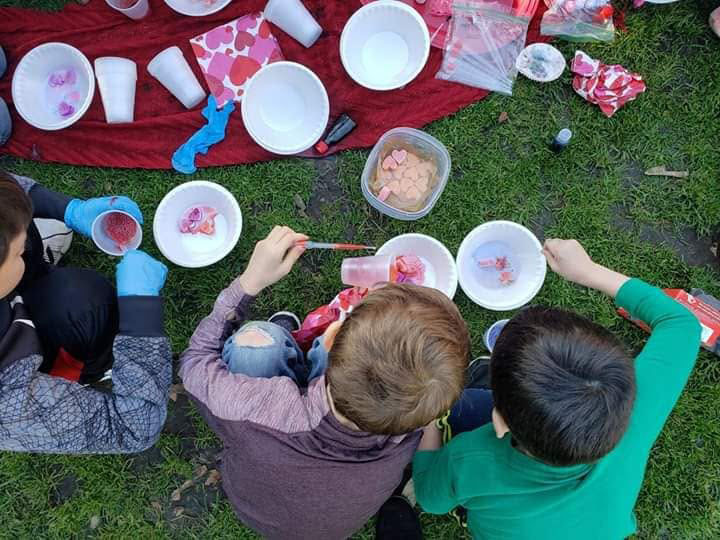
Wed, Oct 20, 2026 | 3:00–4:00 PM | $35
Students explore physical science concepts through hands-on polymer mixing and non-Newtonian fluid exploration.
Across grade levels, instruction aligns with California Next Generation Science Standards by investigating states of matter, chemical interactions, and material properties:
TK–2nd Grade: Students observe, test, and classify physical properties of liquids and solids using portable tray stations (K-PS1-1, 2-PS1-1) and observe how mixing ingredients creates new material properties (2-PS1-4).
3rd–5th Grade: Students measure component mass before and after mixing using handheld digital scales (5-PS1-2) and evaluate non-Newtonian fluid resistance under applied physical force (3-PS2-1, 5-PS1-4).
6th–8th Grade: Students analyze synthetic polymer cross-linking through controlled liquid mixtures (MS-PS1-2) and evaluate how synthetic materials are created from natural resources (MS-PS1-3).
Gross Science (Grades TK–8th)
Wed, Oct 21 • 3:00-4:00 PM $35
Students explore life science concepts through interactive experiments focusing on human digestion, body functions, and weird animal adaptations.
Across grade levels, instruction aligns with California Next Generation Science Standards by investigating how biological structures and specialized behaviors support survival:
TK–2nd Grade: Students examine biofact animal specimens to identify external survival structures (1-LS1-1) and compare how different organisms meet basic needs in nature (K-LS1-1, 2-LS4-1).
3rd–5th Grade: Students trace matter breakdown through simulated digestive models (5-LS2-1) and analyze how structural adaptations aid survival in specific habitats (3-LS4-3, 4-LS1-1).
6th–8th Grade: Students examine specialized digestive system structures and functions using organ system models (MS-LS1-3) and evaluate structural adaptations that support species survival (MS-LS1-4).
Glow Science (Grades TK–8th)
Tues, Oct 27, 2026 | 3:00–4:00 PM | $35
Students explore physical science concepts through hands-on chemical reactions, light energy, and bioluminescence.
Across grade levels, instruction aligns with California Next Generation Science Standards by investigating energy transfer and the physical properties of light-emitting materials:
TK–2nd Grade: Students observe and classify physical material properties (K-PS1-1, 2-PS1-1) and investigate how light illuminates objects to make them visible (1-PS4-2).
3rd–5th Grade: Students explore how physical interactions affect materials (3-PS2-1), observe energy transfer through light (4-PS3-2), and test glowing chemical reactions to see if mixing substances produces new properties (5-PS1-4).
6th–8th Grade: Students investigate electromagnetic energy and light properties (MS-PS4-2), track energy transformation in chemical reactions (MS-PS1-6), and analyze physical indicators like glowing and temperature changes to determine if new substances are formed (MS-PS1-2).
Elephant Toothpaste Pumpkin Science (Grades TK–8th)
Wed, Oct 28, 2026 | 3:00–4:00 PM | $35
Turn a classic seasonal icon into a foamy science masterpiece! In this high-energy STEM lab, students conduct their own hands-on exothermic reactions using safe, touchable compounds, followed by an instructor-led grand finale demonstration featuring a massive thermal foam eruption!
Note for families: All student lab equipment and safety materials are fully provided. Families are welcome to bring a carved pumpkin from home if they would like to use it as an eruption station!
Across grade levels, instruction aligns with California Next Generation Science Standards by investigating chemical changes, thermal energy release, and rapid gas expansion:
TK–2nd Grade: Students observe physical material properties (K-PS1-1), investigate how physical interactions cause sudden material changes (1-PS4-1), and analyze how chemical reactions alter properties permanently (2-PS1-4).
3rd–5th Grade: Students examine forces created by expanding foam gas (3-PS2-1), observe thermal energy transfer during heat-producing reactions (4-PS3-2), and test whether mixing reactants yields entirely new substances with distinct properties (5-PS1-4).
6th–8th Grade: Students analyze physical and chemical properties like temperature change and gas formation to verify chemical reactions (MS-PS1-2) and evaluate exothermic processes by tracking thermal energy release during rapid chemical changes (MS-PS1-6).
SCHEDULE
If you have schedule requests, please let me know.
MON | Title | Level |
10 - 11 AM | Zoology | TK-2nd |
11:30 AM - 12:30 PM | Zoology | 3rd-5th |
1 - 2 PM | Animal Careers | 3rd-5th |
TUES | Title | Level |
3 - 4 PM | Zoology (3-week) | 3rd-5th |
WEDS | Title | Level |
10 - 11 AM | Animal Math | TK-2nd |
11:30 AM - 12:30 PM | Marine Biology | TK-2nd |
1 - 2 PM | Marine Biology | 3rd-5th |
THURS | Title | Level |
10 - 11 AM | Literacy & | TK-2nd |
11:30 AM - 12:30 PM | Wildlife Detectives | 1st-5th |
1 - 2 PM | EcoScience Games | 3rd-5th |
FRI | Title | Level |
10 AM - 2 PM | Junior Zooies | 1st-5th |
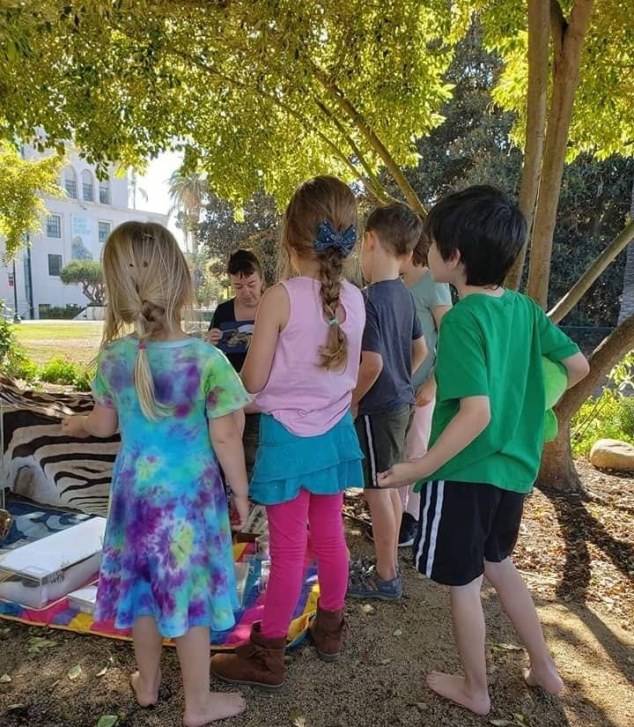
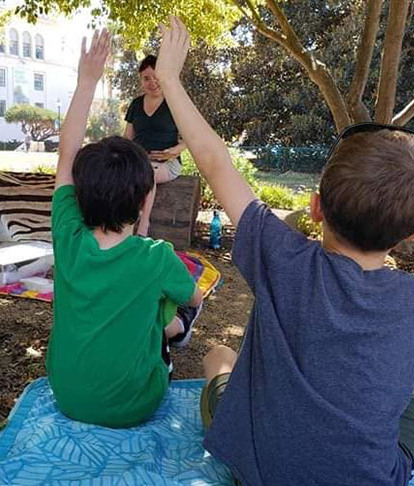
I approach teaching with kindness, patience and genuine connection. My inclusive classes offer a welcoming space where children are free to ask questions, share knowledge, tell stories and build a lasting curiosity for wildlife.
Ready?


FAQ & POLICIES
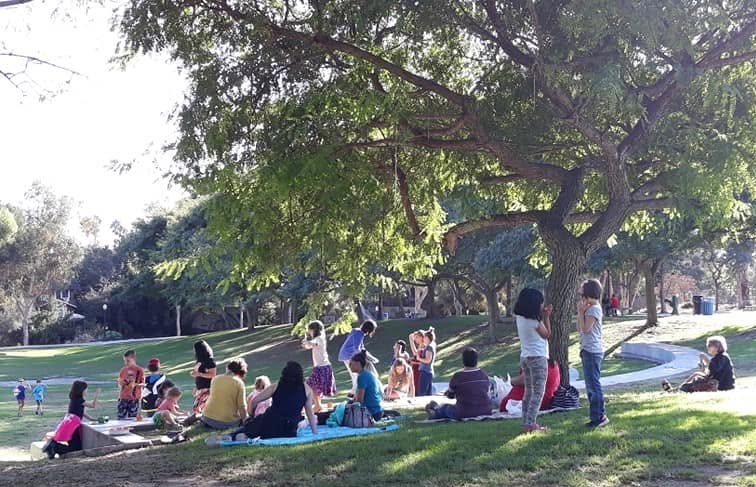
Our hands-on science community meets at lovely park locations in Central San Diego near Balboa Park. With plenty of shade, convenient parking, green space and accessible restrooms, it’s the perfect setting for exploring biofacts, sharing interactive lessons and playing educational games together. You’ll receive our exact meetup spot when you enroll.
Session 1 Fall 2026:
6-Week Series Oct 14 - Dec 2
Mondays: Oct 19, Oct 26, Nov 2, Nov 9, Nov 16, Nov 30
(OFF Oct 12 & Nov 23)
Wednesdays: Oct 14, Oct 21, Oct 28, Nov 4, Nov 18, Dec 2
(OFF Nov 11 & Nov 25)
Thursdays: Oct 22, Oct 29, Nov 5, Nov 12, Nov 19, Dec 3
(OFF Nov 26)
Session 2 Fall/Winter 2026–2027:
6-Week Series Nov 2 - Jan 6
Mondays: Nov 2, Nov 9, Nov 16, Dec 7, Dec 14, Dec 21
Tuesdays: Nov 3, Nov 10, Nov 17, Dec 1, Dec 8, Dec 15
Wednesdays: Nov 4, Nov 18, Dec 2, Dec 9, Dec 16, Jan 6
(OFF Nov 11)
Thursdays: Nov 5, Nov 12, Nov 19, Dec 3, Dec 10, Dec 17
Fridays: Junior Zooies Science Field Series
November: Nov 6, Nov 13, Nov 20
December: Dec 4, Dec 11, Dec 18
Standalone Science Workshops & Minis:
October Science Workshops
Slime Science: Tues. Oct 20, 2026
Gross Science: Weds. Oct 21, 2026
Glow Science: Tues. Oct 27, 2026
Elephant Toothpaste Pumpkin Science: Weds. Oct 28, 2026
December Zoology
3-Week Mini-Series Dec 1 - 15
Zoology Series: Tuesdays | Dec 1, Dec 8, Dec 15, 2026
Spring 2027 Semester:
Fridays: Junior Zooies Science Field Series
January 15 – May 28, 2027 (OFF Feb 12, Feb 19, & April 2)
Select 6 consecutive Fridays within Fall 2026 or Spring 2027.
January: Jan 15, Jan 22, Jan 29
February: Feb 5, Feb 26
March: Mar 5, Mar 12, Mar 19, Mar 26
April: Apr 9, Apr 16, Apr 23, Apr 30
May: May 7, May 14, May 21, May 28
Class fees cover all core instruction, materials and supplies. On rare occasions, families may be asked to bring a low-cost seasonal item from home to support hands-on activities.. Every registration includes expert facilitation from a qualified educator, along with hands-on access to authentic biofacts and scientific observation equipment.
Science Classes:
$150 (6 weeks | 1 hr/wk)
Math Classes:
$150 (6 weeks | 1 hr/wk)
Science Groups:
$100 (6 weeks | 1 hr/wk)
Science Workshops:
$35 (Single 1-hr session)
4-hour Field Series:
$350 (4 hrs/wk | 6-week session)
Educational STEM Options:
1 unit per hour for any class, group, or workshop = 1 total instructional hour
1 Unit: $35
3 Units: $90 ($30/unit)
6 Units: $170 ($28.33/unit)
12 Units: $300 ($25/unit)
How It Works:
1.) Choose 1, 3, 6 or 12.
2.) Choose exact dates at registration during the active term (October 13 through January 8). Dates required.
3.) The Purchase Order lists each selected date line by line for charter verification for itemized billing.
Policies
Educational STEM Options include up to 2 date transfers within the active term with at least 24 hours notice.
Cancellations made with less than 24 hours notice and missed sessions cannot be rescheduled or refunded.
All units must be used during the active term (October 13 through January 8). Unused sessions do not carry over.
Enrollments are non-refundable once the term begins. Cancellations submitted before the first day of the term receive a full refund or Purchase Order cancellation.
All policies apply equally to charter purchase orders and out-of-pocket payments.
Student Attendance Options:
Caregivers sign in their student at the start of class and return for dismissal. Prompt pickup at the end of each session is required.
Whatever works best for your family is welcome here. Caregivers who prefer to stay on-site during class are warmly invited to sit in, observe and support a comfortable, inclusive environment for their student.
Class Size: Small group learning, limited to 3–12 students. Select sites maintain a 1:6 teacher to student ratio.
Middle school classes will begin in November: Seasonal Animal Ecology & California Wildlife.
Safety & Supervision Standards:
All classes, workshops and groups are led by a background-checked, Live Scan cleared instructor trained in child safety guidelines.
Completed student intake forms, including emergency contacts and health or allergy details, must be submitted prior to the first session.
Services are provided strictly as scheduled, subject-specific educational enrichment sessions during class hours and do not constitute drop-in childcare or extended daycare services.
Sick Policy:
To keep our community safe and healthy, please keep your student home if they have experienced a fever, cough, runny nose or upset stomach within the last 48 hours, or if they have been exposed to a contagious illness.
If a student becomes unwell during class, a parent or guardian will be contacted for immediate pickup. While enrollments are non-refundable, health-related absences may utilize one of your allowed date transfers or class exchanges within the active semester term when notification is provided prior to the start of class.
Attendance Policy:
Regular attendance and active participation support student learning goals and ensure class continuity. Please notify us at least 24 hours in advance if your student will miss a scheduled session. We are happy to coordinate with your charter school Teacher of Record to share updates on attendance and keep everyone connected on your student's learning progress.=
Payment to Reserve: Full payment for private pay enrollments or an approved charter Purchase Order (or pending PO request) is required at registration to reserve a student spot.
Cancellations & Terms: Cancellations requested prior to the first day of the semester receive a full payment return or Purchase Order cancellation. Once the semester begins on Oct 13, 2026, enrollments are non-refundable and Purchase Orders cannot be canceled or reduced. Completed classes are strictly non-refundable.
Transfers & Class Exchanges: Multi-class learning tracks include up to 2 date transfers or class exchanges within the active semester when requested with at least 24 hours notice, subject to availability. Unused sessions may be transferred or exchanged for another class or group of equal value within the active term.
Cancellations made with less than 24 hours notice or missed classes without prior notice cannot be rescheduled, exchanged or credited. All sessions and exchanges must be completed during the active semester term Oct 13 - Dec 18, 2026. Unused sessions expire at the end of the term and do not carry over.
Vendor Rescheduling: Sessions are subject to cancellation or rescheduling due to minimum enrollment requirements, severe weather, venue adjustments or unforeseen circumstances. Applicable rescheduling, credits or payment returns will be provided if a session is canceled by the vendor.
Student Data Privacy:
We respect the privacy of our students and families. Personal information collected through registration forms (including student names, contact details and charter affiliation) is used solely for instructional and administrative purposes. We do not sell, rent or share student data with third parties except as necessary for official charter invoicing and attendance reporting.
Media & Photography Consent:
To protect student privacy and uphold family preferences, photos or videos are only taken with explicit written consent provided on the registration form. Participation in media consent is entirely optional and does not affect class enrollment. When consent is granted, media highlights hands-on activities and learning projects while keeping student names and personal details completely private.
Zoology Classes LLC is an independent educational provider. Zoology Classes LLC is not affiliated with, associated with, authorized by, endorsed by, or in any way officially connected with the San Diego Wildlife Alliance, the San Diego Zoo, the San Diego Zoo Safari Park, or any of their subsidiaries or affiliates.
Zoology Classes LLC is a registered Limited Liability Company active and in good standing in the State of California.
Service Standards: All offerings are secular, non-sectarian and fully aligned with charter voucher requirements. Programs feature non-living biofacts and hands-on models with no live animals or dissections involved. All policies apply equally to charter purchase orders and private pay enrollments.
Non-Discrimination Policy: Zoology Classes LLC does not discriminate on the basis of race, color, national or ethnic origin, ancestry, age, religion, creed, disability, sex, sexual orientation, gender, gender identity, or gender expression in the administration of its educational or admission policies.
Safety & Compliance: Safety, background clearances, and liability insurance processing are completed in accordance with charter vendor requirements prior to program instruction.
Vendor Documentation: W-9 documentation is on file and available directly to charter school accounting departments and Teacher of Record upon request.
Contact for Charter Inquiries: suzie@zoologyclasses.org


Let's Connect!
Do you have questions or comments about schedules, locations or content? Message me!


© 2026 Zoology Classes LLC